Where to Buy Body Armor Online in 2026: The Complete Brand Roundup
March 27, 2026
Best Body Armor for Home Defense in 2026: Top Brands, Levels, and Plate Carriers Reviewed
April 1, 2026
When your life is on the line, knowing your gear is non-negotiable, and with body armor reducing the overall risk of death from torso gunshot wounds by 77%, understanding body armor types explained in full detail is one of the most important decisions you will ever make. Whether you are a law enforcement professional, a military operator, or a prepared civilian, choosing the right protection starts with knowing exactly what each type of armor does and does not stop.
Key Takeaways: Body Armor Types Explained at a Glance
| Question | Answer |
|---|---|
| What are the main NIJ protection levels? | Level IIA, Level II, Level IIIA (soft armor) and Level III, Level III+, Level IV (hard armor / plates) |
| What does Level IIIA stop? | Level IIIA stops handgun calibers up to .44 Magnum and .357 SIG — it is the most widely worn soft armor level |
| What is the difference between soft armor and hard armor? | Soft armor is flexible and concealable (Levels IIA to IIIA); hard armor uses rigid plates (Levels III, III+, IV) to stop rifle threats |
| What is a body armor bulletproof vest plate carrier? | A plate carrier is a vest system designed to hold hard armor plates; a body armor bulletproof vest plate carrier combines the carrier with soft or hard inserts for full ballistic protection |
| What armor materials are used in plates? | Ceramic, UHMWPE (Ultra-High Molecular Weight Polyethylene), and steel are the three primary plate materials |
| Which NIJ standard applies in 2026? | NIJ 0101.07 is the current updated standard; see our full NIJ 0101.06 vs. 0101.07 comparison for a breakdown |
| Is body armor legal to own? | In most U.S. states, yes — check our U.S. body armor legality map for state-specific rules |
Body Armor Types Explained: Soft Armor vs. Hard Armor
Every conversation about body armor types starts with one fundamental split: soft armor versus hard armor. These two categories define the entire landscape of personal ballistic protection.
Soft armor is flexible, wearable under clothing, and designed primarily to defeat handgun rounds. Hard armor uses rigid plates made from ceramic, UHMWPE, or steel and is built to take rifle-caliber hits that soft panels simply cannot stop.
- Soft Armor Levels: IIA, II, IIIA
- Hard Armor Levels: III, III+, IV
- Soft armor accounts for 46.21% of total body armor revenue, confirming its dominance in everyday protective roles
- Hard armor is mandatory when rifle threats are present, including 5.56mm, 7.62mm, and armor-piercing rounds
The choice between soft and hard armor is not about preference. It is about accurately assessing the threat you face and then equipping yourself accordingly.
Our Encyclopedia of Tactical Ballistics and Armor Materials provides deeper technical definitions for every material, standard, and term referenced in this guide.
The NIJ Rating System: The Foundation of Body Armor Types Explained
The National Institute of Justice (NIJ) sets the ballistic testing standards that every legitimate piece of body armor must meet. In 2026, NIJ 0101.07 is the governing standard, replacing the previous 0101.06 framework and introducing updated threat levels.
Understanding these levels is step one in building a survival strategy that actually works.
| NIJ Level | Armor Type | Threats Stopped | Typical Use |
|---|---|---|---|
| IIA | Soft | 9mm, .40 S&W (lower velocity) | Concealable daily wear |
| II | Soft | 9mm, .357 Magnum | Law enforcement patrol |
| IIIA | Soft | .44 Magnum, .357 SIG, 9mm FMJ | Law enforcement, civilian, security |
| III | Hard Plate | 7.62mm NATO FMJ, 5.56mm | Military, tactical teams |
| III+ | Hard Plate | M855 green tip, M193 (enhanced) | High-threat law enforcement |
| IV | Hard Plate | .30 caliber AP (armor-piercing) | Military, extreme threat environments |
Ballistic integrity is our baseline, not our goal. Every product we carry must meet or exceed the NIJ standards listed above before it earns a place in our inventory.
Level IIIA Body Armor Types Explained: The Industry Standard for Soft Protection
Level IIIA is the most widely deployed protection level in the personal armor market. As of 2026, Level IIIA armor holds the largest market share at 37.65%, which tells you everything about where the industry’s trust is concentrated.
IIIA soft armor stops the most commonly encountered handgun threats, including .44 Magnum and .357 SIG, making it the default choice for law enforcement patrol, security professionals, and prepared civilians.
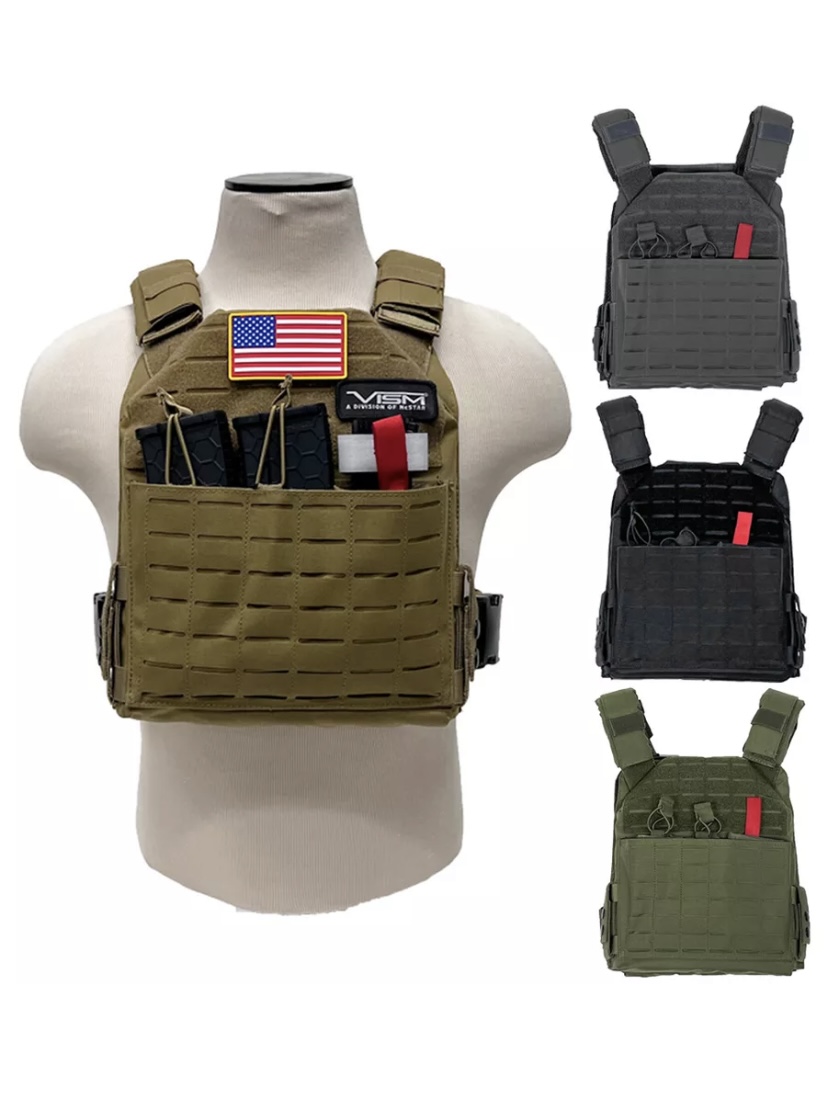
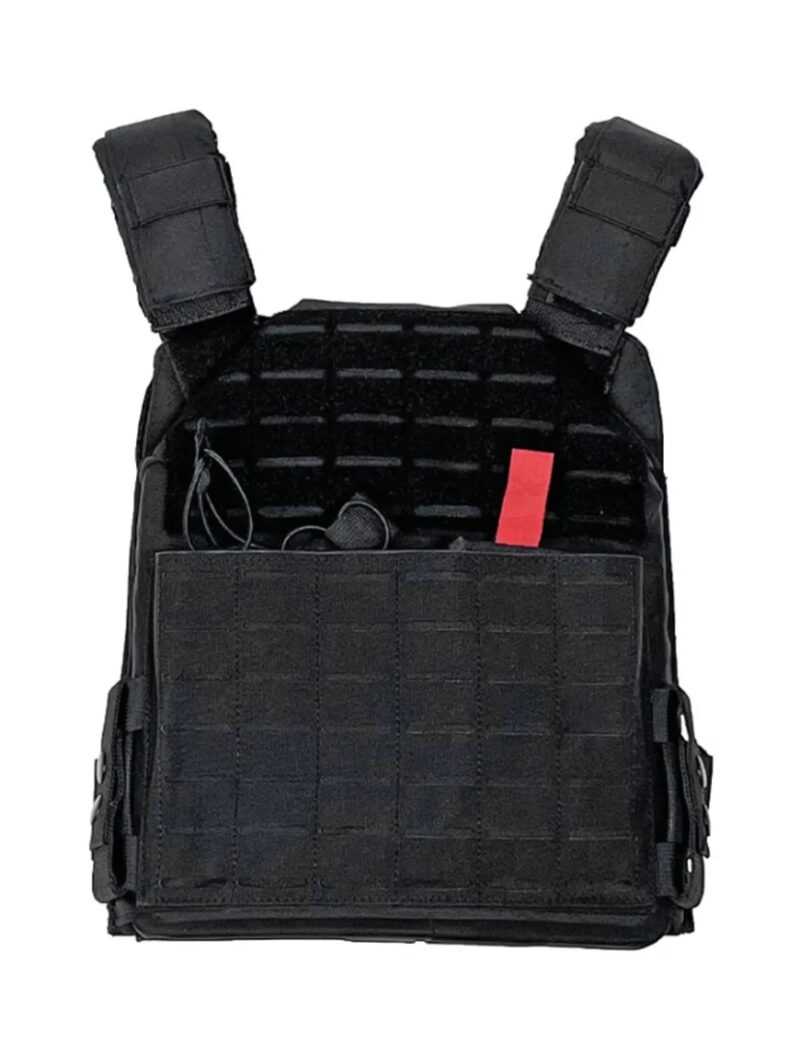
Our Level IIIA LaserCut Vest is a prime example of what modern soft armor looks like in practice. Starting at $187.50, this vest features MOLLE-integrated webbing, adjustable sizing from Medium to XXL, and is built with CORDURA-quality construction that holds up in the field.
“Understanding the difference between Level III and Level IV protection is the first step in your survival strategy.”
Key features of Level IIIA soft armor include multi-hit capability, flexible wearability, and the ability to integrate seamlessly into a body armor bulletproof vest plate carrier system for extended threat coverage.
Body Armor Bulletproof Vest Plate Carrier: Choosing Your Carrier System
The carrier is the platform that holds your armor in place, and selecting the right one is just as critical as choosing the right protection level. A body armor bulletproof vest plate carrier must fit properly, allow for mobility, and support MOLLE accessories that extend your tactical capability.
We carry a full lineup of Level IIIA carrier solutions across multiple configurations, colors, and sizes. Here is a breakdown of our core options.
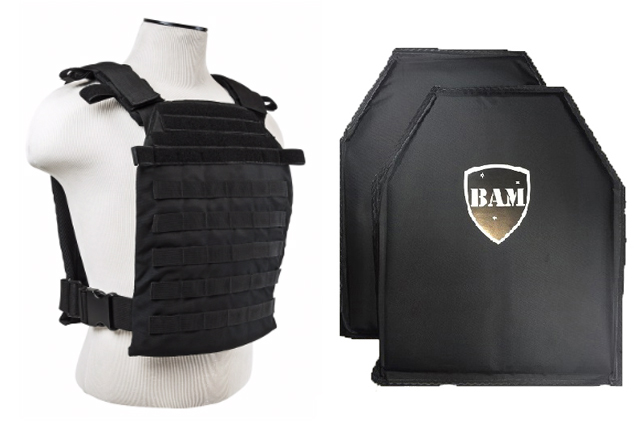
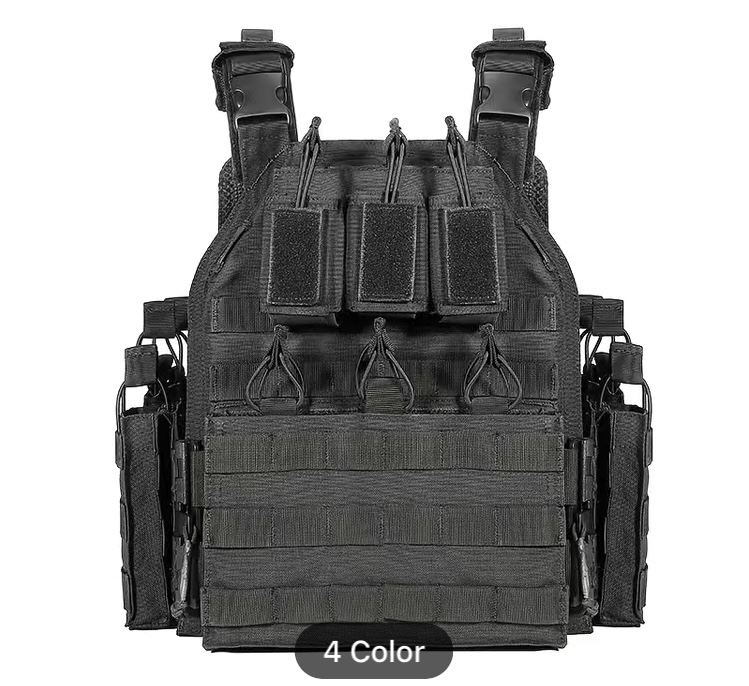
- FAST Plate Carrier Black 11×14 — $210.00. Rapid deployment design with 11×14 soft inserts and full MOLLE webbing compatibility.
- Expert Plate Carrier Black (M-XXL) — $210.00. Shooter cut design engineered for mobility, with MOLLE integration and Level IIIA inserts included.
- ArmorCore Load Out Vest (Multiple Colors) — $215.00. CORDURA construction with two Level IIIA body armor inserts and full MOLLE webbing.
- Rebel Plate Carrier Multicam 10×12 — Available in multicam pattern for operators requiring field-appropriate camouflage.
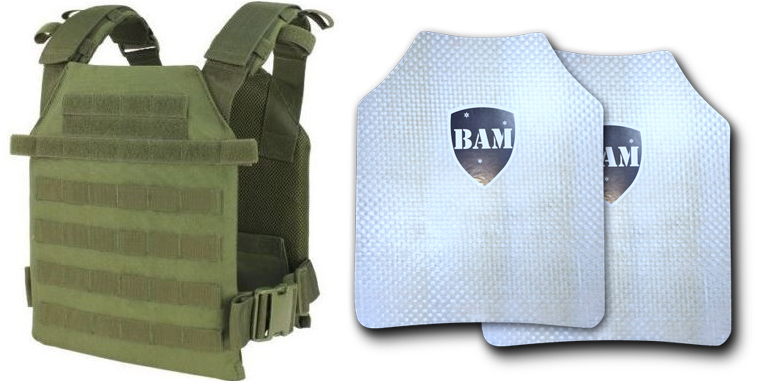
- OD Green Vest — $150.00. A reliable, no-frills carrier with proven MOLLE compatibility and Level IIIA inserts.
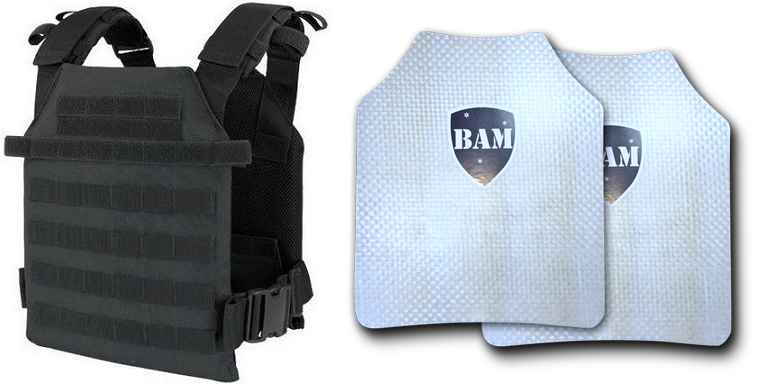
- BAM Vest Black — $149.99. Compact, MOLLE-compatible, and mission-ready straight out of the box.
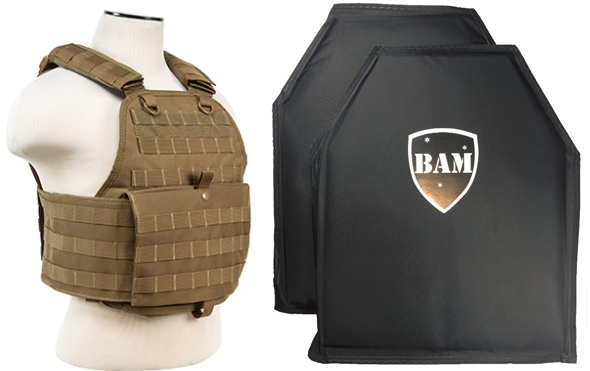
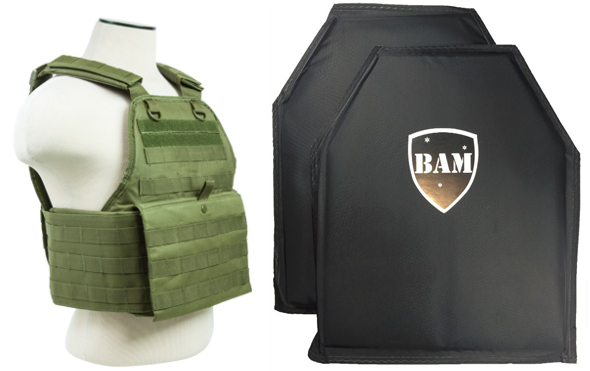
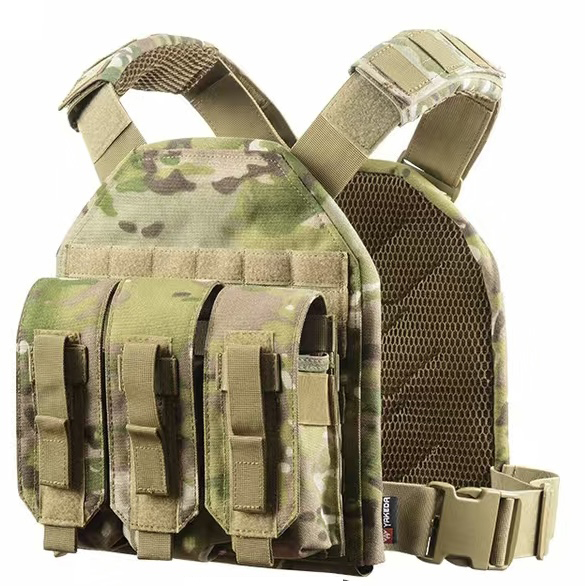
Getting the sizing right on your carrier is not optional. Use our step-by-step armor sizing and measurement checklist to confirm you have the correct fit before ordering.
Level III and Level IV Hard Plates: Body Armor Types Explained for Rifle Threats
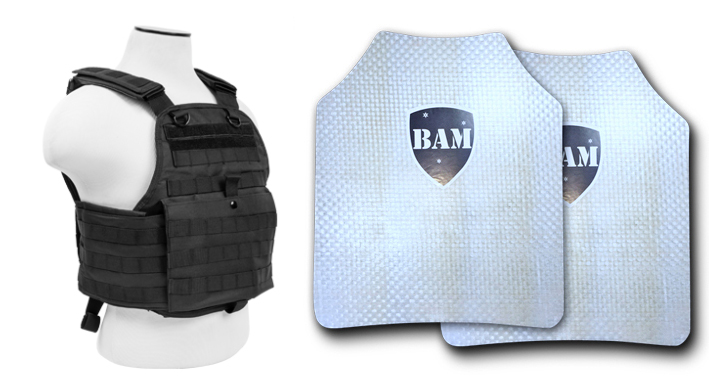
When the threat escalates beyond handguns, soft armor is not enough. Level III and Level IV hard plates are designed to absorb and defeat rifle-caliber ammunition, and choosing the right plate is a mission-critical decision.
Level III plates stop 7.62mm NATO Full Metal Jacket rounds traveling at up to 2,780 feet per second. Level IV plates step that protection up to defeat .30 caliber armor-piercing (AP) ammunition, representing the highest NIJ certification currently available for personal armor.
- Level III: Stops standard rifle rounds including 5.56mm and 7.62mm NATO FMJ. Typically lighter and more mobile than Level IV.
- Level III+: An industry designation (not an official NIJ tier) indicating enhanced Level III plates tested against M855 green tip and M193 rounds, which standard Level III does not cover.
- Level IV: The highest certified protection level. Stops .30 caliber AP rounds. Required in the highest-threat combat environments.
Level IV plates are typically 2x to 3x heavier than Level III, weighing 6-10 lbs per plate compared to just 3 lbs for Level III. That weight difference has direct operational consequences for endurance, agility, and long-duration missions.
Browse our full armor plates collection to compare Level III and Level IV options side by side.
Armor Materials Explained: Ceramic, Steel, and UHMWPE Compared
The material inside your plate determines how it performs, how much it weighs, and how long it lasts. Body armor types explained at the material level come down to three core options: ceramic, steel, and UHMWPE (Ultra-High Molecular Weight Polyethylene).
Each has distinct strengths and tradeoffs that directly affect your survival calculus in the field.
Ceramic Plates
Ceramic armor uses materials like Alumina (aluminum oxide) or Boron Carbide to shatter incoming projectiles on impact. Ceramic plates are lightweight relative to steel and provide excellent multi-hit performance when properly backed by composite materials.
They are, however, more fragile than steel and must be handled and stored carefully to avoid pre-impact damage that compromises ballistic integrity.
Steel Plates
Steel armor is the most durable option by far and can absorb multiple hits without structural degradation. The tradeoff is weight: steel plates are substantially heavier, which reduces operator endurance over time.
Steel also produces significant spall (fragmentation) upon bullet impact, which is why quality steel plates are coated with anti-spall materials.
UHMWPE Plates
UHMWPE panels provide a 40% weight reduction compared to traditional steel armor, making them the go-to choice for operators who need maximum protection without sacrificing mobility. UHMWPE plates are buoyant, extremely impact-resistant, and perform well across a wide temperature range.
Our full deep-dive on ceramic vs. UHMWPE ballistics breaks down exactly how these two materials perform against specific threat calibers.
How NIJ 0101.07 Changes the Way Body Armor Types Are Classified
In 2026, NIJ 0101.07 is the definitive testing standard for ballistic body armor sold in the United States. This update introduced important changes to how protection levels are defined and tested, replacing the older 0101.06 framework that many users are still familiar with.
Key changes under NIJ 0101.07 include updated threat designations, revised velocity thresholds for each level, and stricter testing protocols that more accurately reflect the modern threat environment.
- The old “Level II” and “Level IIA” designations have been consolidated and restructured
- New “HG” (Handgun) and “RF” (Rifle) threat designations provide clearer threat-specific labeling
- Backface Deformation (BFD) limits remain at a maximum 44mm signature, ensuring that even stopped rounds do not transfer fatal blunt force trauma
- Armor certified under NIJ 0101.06 is not automatically re-certified under 0101.07
When you are purchasing body armor in 2026, always confirm which NIJ standard the product has been certified against. Our detailed NIJ 0101.06 vs. 0101.07 comparison guide gives you a full breakdown of what changed and why it matters for your protection decision.
Body Armor Types Explained for Civilians: What You Can and Cannot Buy
Civilian body armor ownership is legal in most U.S. states, but the rules vary significantly by jurisdiction. In 2026, civilian body armor sales in the U.S. continue to grow, reflecting an increased awareness of personal preparedness that extends well beyond law enforcement and military communities.
Federally, it is legal for most civilians to purchase, own, and wear body armor. However, certain states impose restrictions on felons purchasing armor, and some jurisdictions require in-person transactions only.
- Connecticut: Prohibits online purchases of body armor by civilians
- New York: Restricts certain types of body armor for non-law-enforcement buyers
- Most other states: No restrictions on civilian purchase or ownership
Check our interactive U.S. body armor legality map to confirm what is permitted in your state before placing an order.
For civilians, Level IIIA soft armor in a body armor bulletproof vest plate carrier configuration is the most practical starting point. It stops the most common handgun threats, wears comfortably for extended periods, and integrates into a home defense or personal protection setup without the weight penalty of hard plates.
Body Armor Types Explained: Concealable Vests vs. Overt Plate Carriers
The physical form of your armor is as important as its protection level. Two dominant form factors exist in the personal armor market: concealable vests and overt plate carriers.
Vests maintain a dominant 55.4% share of all body armor form factors, which confirms that the vest-style carrier remains the foundational choice for the majority of armor buyers across every sector.
Concealable Vests
Concealable vests are worn under clothing and are designed for covert protection. They are standard issue for plainclothes officers, executive protection agents, and civilians who require all-day protection without announcing their armor to the public.
These vests are typically soft armor (Level IIIA maximum) and are cut to fit close to the body for minimal profile.
Overt Plate Carriers
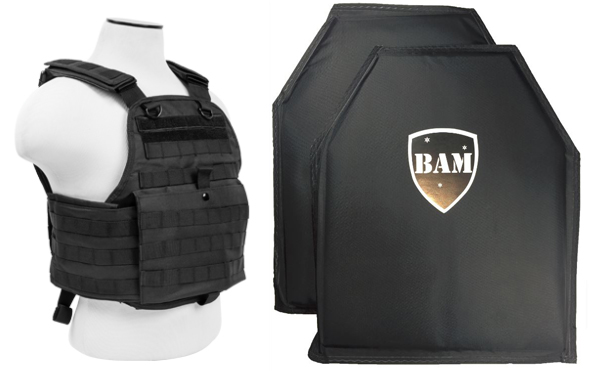
Overt plate carriers are worn externally and are purpose-built to hold both soft inserts and hard plates. They feature MOLLE webbing, adjustable cummerbunds, and accessory attachment points that make them the choice for tactical operators, military personnel, and high-threat law enforcement.
A quality body armor bulletproof vest plate carrier like our FAST Plate Carrier or Expert Vest gives you the platform to layer soft and hard protection, add magazine pouches, and configure your loadout for the specific mission at hand.
How to Match Body Armor Types to Your Specific Threat Assessment
No guide on body armor types explained is complete without addressing the most important question: which type is right for you? The answer depends entirely on your mission, your environment, and the threats you realistically face.
Here is how to approach your threat assessment systematically.
- Identify your most likely threat. Handgun threats? Rifle threats? Armor-piercing rounds? Your threat environment determines your minimum acceptable protection level.
- Assess your mobility requirements. Long-duration operations demand lighter armor. Static or vehicle-based roles can support heavier Level IV plates without the same endurance cost.
- Consider your wear pattern. Daily, all-day wear favors soft armor. Tactical deployments favor a plate carrier loaded with hard armor and accessories.
- Factor in climate and environment. Heat and humidity affect how long armor can be comfortably worn, which directly impacts compliance and actual usage rates.
- Match your budget to your threat level. A $149.99 BAM Vest Black provides proven Level IIIA protection. Escalating to Level IV ceramic plates is a larger investment, but it may be the right one depending on your mission profile.
For a complete technical reference covering every material, term, and ballistic concept referenced in this guide, visit our Encyclopedia of Tactical Ballistics and Armor Materials.
Body Armor Types Explained: Pricing Breakdown and What to Expect at Each Level
Understanding what body armor costs at each protection level helps you plan your procurement budget and ensures you get maximum protection value for every dollar spent.
The table below reflects our current pricing as of 2026 across our Level IIIA product lineup.
| Product | Protection Level | Configuration | Price |
|---|---|---|---|
| BAM Vest Black | IIIA | Soft Inserts + MOLLE Carrier | $149.99 |
| Sentry Vest OD Green | IIIA | Soft Inserts + Carrier | $150.00 |
| LaserCut Vest (Multiple Colors) | IIIA | Vest Only | $187.50 |
| ArmorCore Expert BLACK 11×14 | IIIA | Inserts + Carrier | $189.99 |
| ArmorCore 10×12 Plate Carrier BLACK | IIIA | Inserts + Carrier | $200.00 |
| FAST Plate Carrier Black 11×14 | IIIA | Soft Inserts + FAST Carrier | $210.00 |
| ArmorCore Load Out Vest (Multi-Color) | IIIA | CORDURA Vest + Inserts + MOLLE | $215.00 |
Every product in this lineup comes with two Level IIIA inserts included and is backed by NIJ-standard ballistic certification. No gimmicks. Just the toughest armor at a price that keeps the mission within reach for professionals and civilians alike.
Conclusion: Body Armor Types Explained, Mission Ready
Body armor types explained fully means knowing your NIJ levels, your materials, your carrier systems, and the specific threats you face, and then making a decisive, informed choice to protect yourself and those in your care. Armor up. The world is not getting any safer, and you do not get a second chance to be prepared.
From Level IIIA soft armor starting at $149.99 all the way through rifle-rated hard plates, we carry every major body armor type built for the modern threat environment. Our plates undergo rigorous NIJ-standard testing to ensure zero failure when it matters most.
Whether you are selecting a body armor bulletproof vest plate carrier system for daily law enforcement duty, tactical deployment, or civilian home defense, we are your ally in making the right call. Every option in our lineup is battle-tested, range-proven, and ready for duty.
- Start with your threat level and work up from there
- Choose the right carrier for your mobility and mission requirements
- Confirm NIJ certification on every product before purchase
- Get your sizing right using our armor measurement checklist
- Check your state’s legality before ordering
Your safety is our mission. Your freedom is our motivation. Browse our full body armor selection and find the protection level that matches your mission today.