Modular ‘Task-Specific’ PPE Bundles: The Best Brands and Kits to Know in 2026
May 8, 2026
Inside the Plate: The Physics of Ceramic vs. UHMWPE Ballistics
June 9, 2026
The 10-Point Ballistic Armor Integrity & Maintenance Checklist
Your gear is your lifeline. Ensure your ballistic plates and carriers are mission-ready with our comprehensive 10-point inspection guide.
Why Regular Armor Inspection is Non-Negotiable
Body armor is not a “set it and forget it” piece of equipment. Whether you are law enforcement, private security, or a prepared citizen, your ballistic protection is an investment in your life. According to the National Institute of Justice (NIJ), officers wearing body armor are 77% less likely to be killed in the line of duty than those who are not. However, that statistic only holds true if the armor functions as designed.
Environmental factors, improper storage, and daily wear can degrade even the highest quality Level IV ceramic plates and soft armor panels. Most manufacturers provide a 5-year warranty, which represents the limit of liability for daily wear and tear. It does not mean the armor “expires” like food, but it does mean the risk of material degradation increases significantly beyond that point.
The “Trunk Trap” Warning
Did you know that temperatures in a vehicle trunk can exceed 150°F? This is the critical threshold where adhesives and ballistic fibers (like UHMWPE) begin to lose their structural integrity. Never store your armor in a vehicle for extended periods.
The 10-Point Ballistic Armor Integrity & Maintenance Checklist
Follow these ten steps to audit your current setup. If any piece of gear fails a single point on this checklist, it is time to consult the manufacturer or visit Body Armor Megastore for a replacement.
Label Legibility & Compliance
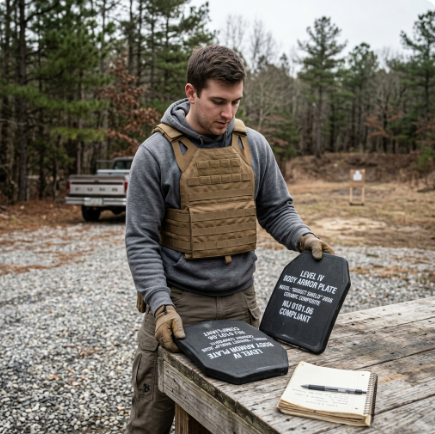
Examine the label on every plate and soft panel. You must be able to clearly read the NIJ rating, model number, and date of manufacture. If the label is missing, illegible, or torn, the armor’s history is technically “unknown” and should be treated as compromised.
The “Torque Test” (Hard Plates Only)
For ceramic plates, perform a gentle torque test. Hold the plate by the corners and apply a very slight twisting pressure. Listen closely. Do you hear a crunching or crumbling sound? This often indicates internal ceramic fractures that are invisible to the naked eye but can cause the plate to fail upon impact.
The “Tap Test” (Hard Plates Only)
Lightly tap the plate with a coin or a small metal tool across its surface. A healthy ceramic plate should produce a consistent “chime” or high-pitched sound. If you hear a dull “thud,” it suggests delamination (the layers separating) or a significant internal crack.
Strike Face & Edge Inspection
Physically inspect the outer cover of the plate. Look for dents, chips, or spiderweb cracks. Feel along the edges for any thinning or deformity. Even a small chip in a ceramic strike face can compromise the multi-hit capability of the armor.
Soft Armor “Bunching” Audit
If you wear soft armor vests, remove the panels from the carrier. Lay them flat and feel for any lumps, sagging, or “clumping.” Over time, the ballistic material can shift, leaving gaps in your protection—usually at the top of the chest or the sides.
Carrier Webbing & Seam Integrity
Your plates are only as good as the carrier holding them. Inspect all load-bearing seams and MOLLE webbing. Look for frayed stitching or thinning fabric. A compromised seam can cause a plate to shift or drop during a high-stress movement, exposing your vitals.
Velcro & Fastener Grip Strength
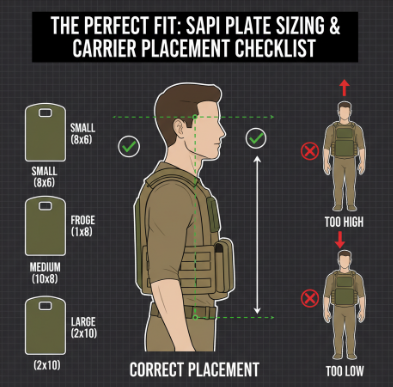
Test every hook-and-loop closure. If the Velcro has accumulated lint or lost its “bite,” it may fail during a struggle. Armor must stay centered over your vital organs; if the fasteners are weak, your protection will migrate away from where you need it most.
Moisture, Mildew & Odor Check
Smell your armor panels. A heavy scent of mildew or the presence of water stains is a red flag. Moisture can reduce the effectiveness of certain aramid fibers by up to 20%. If your panels have been submerged or soaked in sweat without proper drying, they may be compromised.
Storage Orientation Audit
How do you store your gear? Hanging soft armor by the shoulder straps is a common mistake that stretches the carrier and deforms the ballistic panels. Check to see if your panels have developed a permanent “curl” at the bottom edges due to improper storage.
The UV Exposure Audit
Examine the carrier for color fading. UV rays are one of the fastest degraders of aramid fibers and the nylon used in carriers. If your gear sits in direct sunlight (like on a coat rack near a window), the fibers are likely weakening at an accelerated rate.
Professional Maintenance Tips
Cleaning Your Gear
Never machine wash or dry clean ballistic panels. Use a damp cloth with mild soap to wipe down the outer cover. For the carrier (with panels removed), most can be hand-washed and air-dried. Never use bleach or harsh chemicals, as these can break down the molecular bonds of the fibers.
The 5-Year Rule
While armor doesn’t automatically fail at 5 years, the 10–13% reduction in ballistic limit (V50) found in aged aramid studies is enough reason to consider an upgrade. If you are using gear daily in high-heat or high-humidity environments, you should consider replacement even sooner.
After-Action Inspection
If your armor is ever dropped on a hard surface (like concrete) or takes a significant impact during training, it must be inspected immediately using the “Tap” and “Torque” tests. Ceramic is brittle; treat it with the same care you would a high-end optic.
Printable Checklist Summary
Save this page or print this section to keep in your gear locker. Conduct this 10-point audit at least once every quarter (every 90 days) to ensure your equipment remains in peak operational condition.
Frequently Asked Questions
Does body armor actually expire?
Technically, no—it doesn’t “expire” like milk. However, the ballistic materials are subject to environmental degradation. Manufacturers set a 5-year warranty period based on NIJ standards to ensure the product performs as rated. Beyond that, the performance cannot be guaranteed under the same liability coverage.
Can I wash my ballistic plates?
You can wipe the outer polyurea or cordura cover of a hard plate with a damp cloth and mild detergent. Never submerge the plate in water, and never use abrasive scrubbers that could puncture the protective seal.
What should I do if my plate makes a crunching sound?
If you perform the torque test and hear a crunching or “grinding” sound, the internal ceramic strike face is likely fractured. This plate should be retired immediately from life-saving service and replaced.
Is it okay to store my vest on a hanger?
It is generally discouraged for soft armor. The weight of the ballistic panels can cause the shoulder straps of the carrier to stretch, and the panels themselves can “slump” within the carrier. Storing your vest flat is the gold standard for maintaining its shape and coverage.
How often should I inspect my gear?
A basic visual inspection should be done every time you put the gear on. A deep-dive 10-point inspection, as outlined above, should be performed quarterly or after any significant physical impact/exposure to extreme weather.
Is Your Gear Past Its Prime?
Don’t gamble with your safety. Body Armor Megastore offers over 150 products, including Level IV plates, plate carrier bundles, and tactical shields designed for law enforcement and personal defense.
Enjoy free shipping on all orders and quick handling times.
Level IV Plates • Plate Carrier Bundles • Ballistic Shields • Tactical Accessories